The Buddha's Path:
Foundational Buddhist Study Programme
Module 3
Foundations of Buddhist Theory II: The Roots of Suffering - The Three Poisons
About Module 3
Foundations of Buddhist Theory II
This Module is part of The Buddha’s Path: Foundational Buddhist Study Programme and delves into the roots of suffering from a Buddhist perspective.
In the centre of the iconic Buddhist image of the Wheel of Life, or Bhavachakra, you will find depicted a pig, a bird, and a snake. These three creatures represent the Three Poisons – ignorance, attachment, and aversion.
These Three Poisons are, according to the Buddha, the source of our negative mental states–such as anxiety, anger, jealousy–and the root from which all unskillful or harmful actions spring. It is understood in Buddhism that as long as our thoughts, words, and actions are conditioned by the Three Poisons they will cause unceasing problems for ourselves and others.
It is therefore essential that we learn to overcome these afflictions, in order to find lasting wellbeing and happiness in our life.
The focus of this module is understanding these three root mental afflictions and their role in generating suffering.
This module also examines the Twelve Links of Dependent Origination, the Buddha’s explanation of the cyclical nature of dukkha and samsara. Through this, we will explore the concept of samsara, or the cycle of rebirth, understanding its significance in Buddhist thought.
We hope that this module will provide a deeper understanding of the root causes of our suffering according to Buddhism, and a chance to recognise and identify these afflictions in daily life.
Module 3: Foundations of Buddhist Theory II: The Roots of Suffering - The Three Poisons
Recordings & Resources
Meet the Host
Guiding your meditation experience

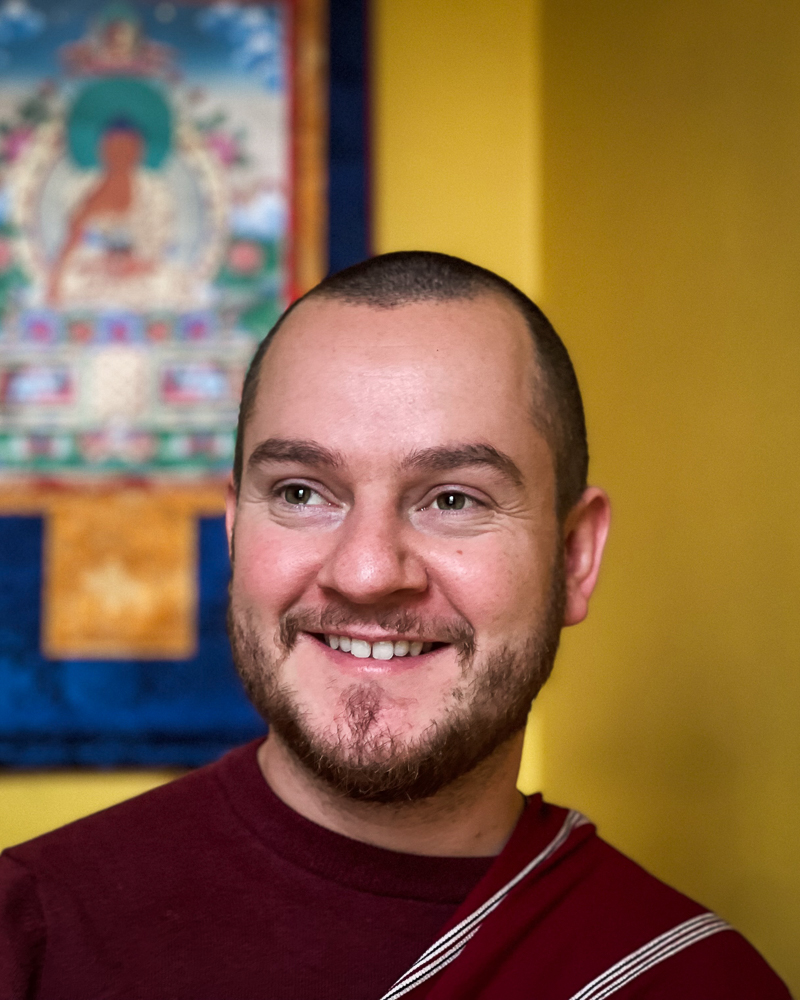
David Oromith
Buddhist Contemplative, Author & Meditation Guide
David is a Buddhist contemplative, meditation guide and retreat leader. He is the Co-Founder of Samadhi and author of the book A Practical Guide to Mindful Living: Five Ways to Restore Presence and Calm Amidst Challenge & Change. He has received non-monastic ordination in the Tibetan Buddhist tradition and teaches workshops internationally, leads retreats across the UK and runs classes locally.
David is a follower of the rimé (non-sectarian) approach, recognising the value and benefit of multiple points-of-view, with teachers in all four schools of Tibetan Buddhism. His primary teacher is Lama Alan Wallace, who is also rooted in a non-sectarian approach, with particular close affiliation with the Gelug and Nyingma schools and the Dudjom lineage.
David discovered meditation & Buddhism through his experience of depression and suicidal thoughts and is passionate about helping people take back control of their mental wellbeing, work with their thoughts and feelings, and discover genuine wellbeing and joy within. Read more.