If you’ve been thinking about going on a meditation retreat but keep putting it off because you’re not quite sure what to expect, you’re not alone. A lot of people who have been on retreat with us felt exactly the same way beforehand, and almost all of them say afterwards that they wish they’d done it sooner!
A meditation retreat is simply a chance to step away from the pace and noise of daily life and give yourself some dedicated time to slow down, learn practical tools for your wellbeing, and reconnect with a sense of calm. There’s no test to pass, no special skills required, and no experience necessary. If you can sit in a chair and breathe, you can do a retreat.
At Samadhi, we run meditation retreats across the UK — from relaxation day retreats at the National Botanic Garden of Wales to weekend and four, five and seven-day residential retreats in Devon, Lincolnshire, Monmouthshire, and North Wales. A good number of our retreatants are complete beginners, and our retreats are specifically designed to be welcoming, relaxed, and accessible to everyone, including people who have never meditated before.
This guide covers everything you need to know before booking your first retreat, what a typical day looks like, what you’ll eat, where you’ll sleep, what to bring, and honest answers to the questions and worries that nearly everyone has.
What actually happens on a meditation retreat?
A Samadhi retreat is built around three core activities: guided meditation sessions, workshops inspired by Buddhist psychology, and yoga. But it’s not wall-to-wall sessions with no time to breathe. There’s a nice rhythm to each day, with plenty of free time built in for walks, reading, conversation, or simply sitting somewhere beautiful and doing nothing at all.
Here’s what a typical day looks like on one of our beginner-friendly residential retreats:
Morning The day begins with a laid-back vinyasa yoga session led by Manu, our co-founder and yoga teacher. But don’t panic if you’ve not done yoga before, you needn’t expect an intense workout. Manu’s yoga is a calm, breath-led practice with plenty of options for different levels, designed to gently wake up the body and settle the mind. After yoga, we all have breakfast together.
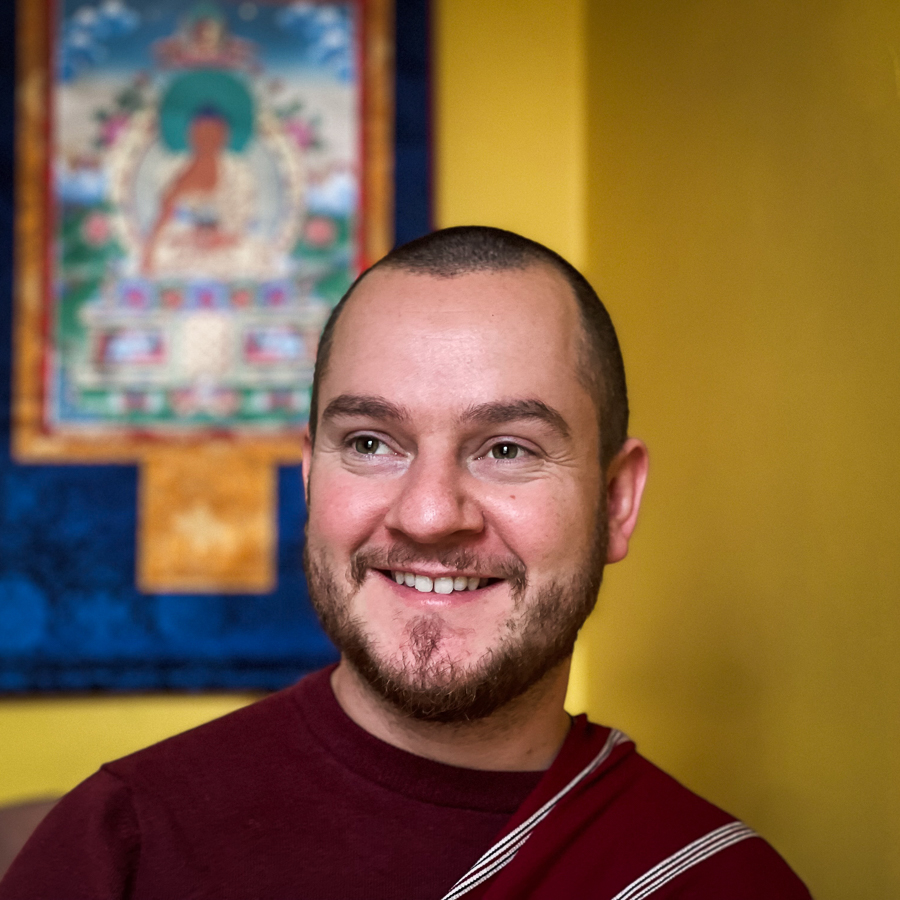
Mid-morning After breakfast, you’ll gather for the first meditation and workshop session with David, our co-founder and Buddhist meditation teacher. Each session typically includes one or two guided meditations alongside a teaching or discussion drawn from Buddhist psychology, exploring topics like the inner causes of stress, how to work with difficult emotions, and practical techniques you can use at home. David’s teaching style is clear, down-to-earth, and often with a good dose of humour. There’s no jargon, no chanting, and nothing that should make you feel uncomfortable.
Midday A mid-morning tea and coffee break gives you time to stretch your legs and chat with others before a second session. Then it’s lunch, always a highlight!
Afternoon Afternoons are typically freer. Depending on the venue, you might go for a countryside walk, explore the grounds, spend time in a spa or pool (at our Lincolnshire venue), read in a quiet corner, or simply rest. Some retreats include an additional afternoon meditation and Q&A session, but there’s never any pressure to attend everything. The approach is always: do what feels right for you.
Evening Evenings often include a gentle yoga session or a further meditation, followed by dinner and time to relax with the group, or find a quiet space for yourself.
The retreat typically begins on the first evening with a welcome session and guided meditation, and finishes after lunch on the final day, so you have time to ease into and out of the experience.
The meditation sessions — what if I can't meditate?
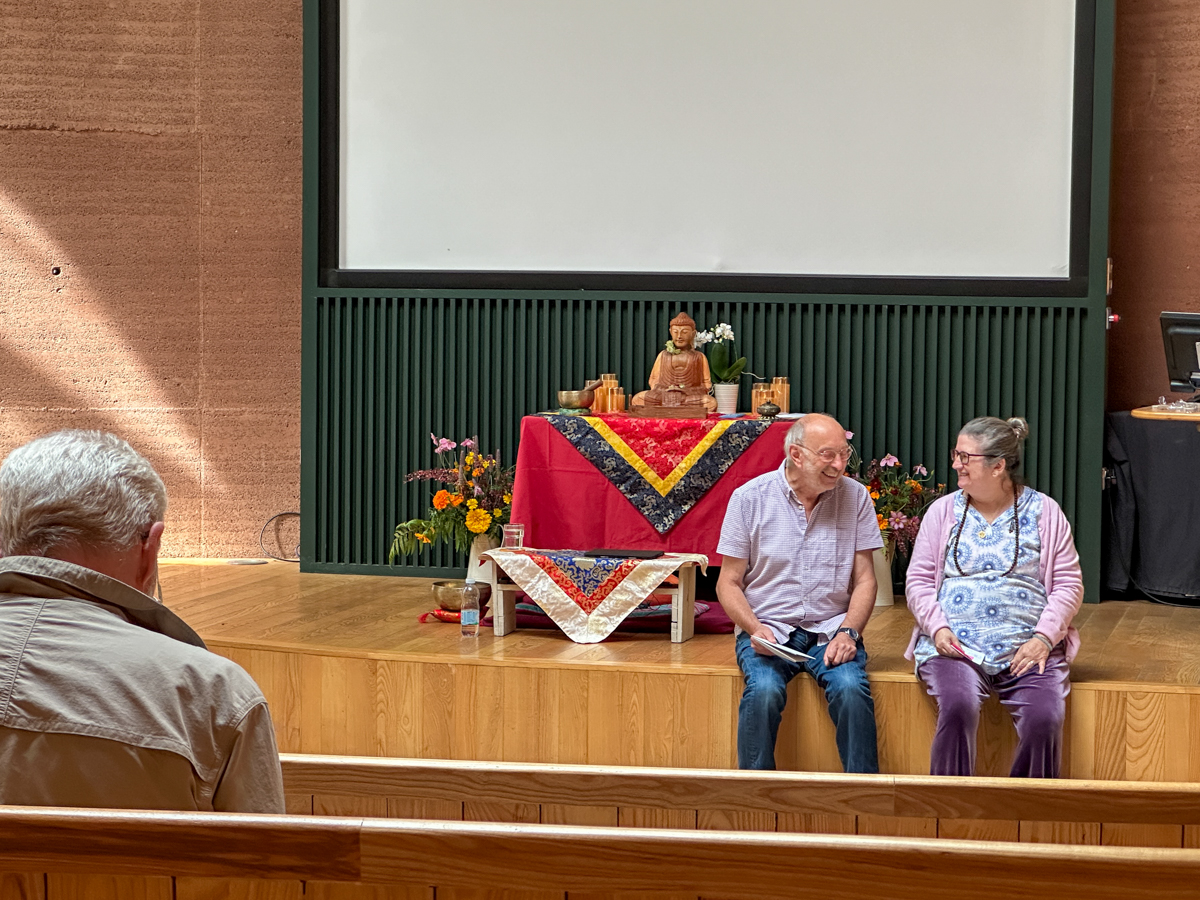
This is one of the most common concerns people have, and it’s worth addressing directly: there is no such thing as being bad at meditation. If your mind wanders during a session, and it will, that’s completely normal! That is the practice. You notice your mind has wandered, and you gently bring it back. That’s it.
All of our meditation sessions are fully guided, which means David will talk you through every step. You won’t be left sitting in silence, wondering what you’re supposed to be doing. (The exception to this is our silent retreat offerings, where there are some unguided practices.)
The meditations are often shamatha (tranquillity meditation), which gently trains your attention using the breath and body as anchors. It’s simple, practical, and surprisingly relaxing, even on your very first attempt! We may also do heart practices, such as the Four Immeasurables, or vipashyana (insight) practice, depending on the retreat.
If you’d like to get a feel for David’s teaching style before booking, you can listen to free recordings of the talks and guided meditations from our weekly class on Sundays.
The workshops — is it religious? Will I have to believe anything?
Our workshops are inspired by Buddhist psychology, but they’re taught in a way that’s practical and accessible to everyone, regardless of whether you have any interest in Buddhism as a tradition. Think of it more as a toolkit for understanding your own mind: why you get stressed, how anxious thought patterns happen, and what you can do about it.
On our retreats, there’s no chanting or rituals and no expectation that you’ll adopt any particular set of beliefs. Many of our retreatants aren’t Buddhist and have no intention of becoming Buddhist! They come because the practical tools work, for stress, for anxiety, for sleep, for simply feeling more at ease in our own skin. And that’s what we want to share.
That said, if you are interested in exploring Buddhist teachings more deeply, our retreats provide a natural gateway into that. David’s approach integrates traditional Buddhist wisdom with insights from modern psychology and neuroscience, and if you’d like to continue learning after your retreat, we offer a free foundational study programme called The Buddha’s Path and a weekly online Buddhist study group.
The yoga — do I need to be flexible?
Not at all. Manu’s yoga sessions are designed to complement the meditation practice; they’re gentle, accessible, and focused on relaxation rather than performance.
Before the retreat, everyone is asked to fill in a quick form letting us know about their experience and any issues. Manu then adjusts the level to match the group’s overall level. There’s no pressure to achieve any particular pose, and modifications are offered. Many of our retreatants appreciate Manu’s playful and unpretentious style, and a good number try yoga for the first time on retreat and come away wanting to continue at home.
If yoga isn’t your thing, that’s also fine. Attendance at every session is always optional.
What's the food like?
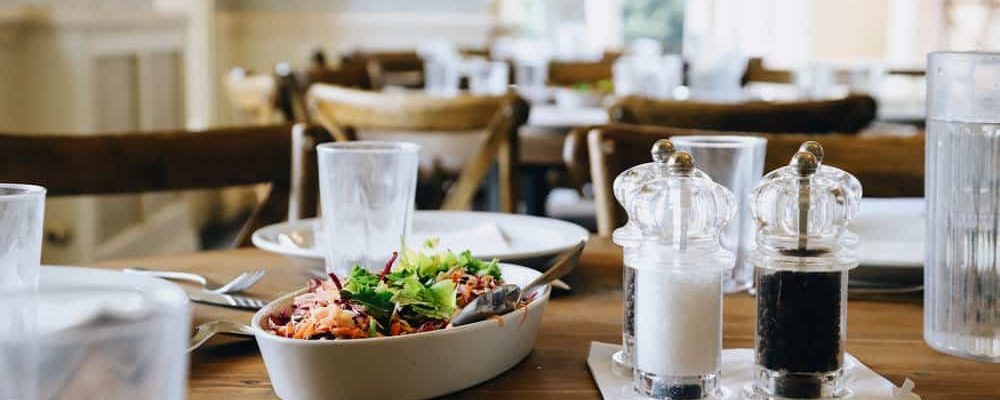
All food on our retreats is plant-based and freshly prepared. Depending on the venue, meals are provided by a private chef, the venue’s own kitchen, or (at the Botanic Garden day retreats) by the on-site chefs. The food is consistently one of the things people rave about in their reviews, it’s wholesome, generous, and delicious – and there’s often a sweet treat about!
We cater for specific dietary requirements, so if you have allergies or intolerances, just let us know when you book, and we’ll make sure you’re looked after.
Mealtimes are also a lovely part of the social experience; eating together, sharing stories, and getting to know the other people on retreat.
Where will I sleep?
On our residential retreats, the standard arrangement is a single-occupancy bedroom. At most of our venues, rooms are en suite, though at some there are shared bathrooms. You won’t be asked to share a room with a stranger; your room is your private space to retreat to whenever you need it.
The one exception is our retreat at Lam Rim Buddhist Centre in Monmouthshire, which is a more intimate setting where shared rooms are the standard option (with camping also available in warmer months). This retreat has a smaller group and a particularly close, community feel that suits people looking for something more personal.
Whatever the arrangement, there will be no surprises; you will choose your room type and bathroom at the time of booking.
Will I be on my own? What are the other people like?
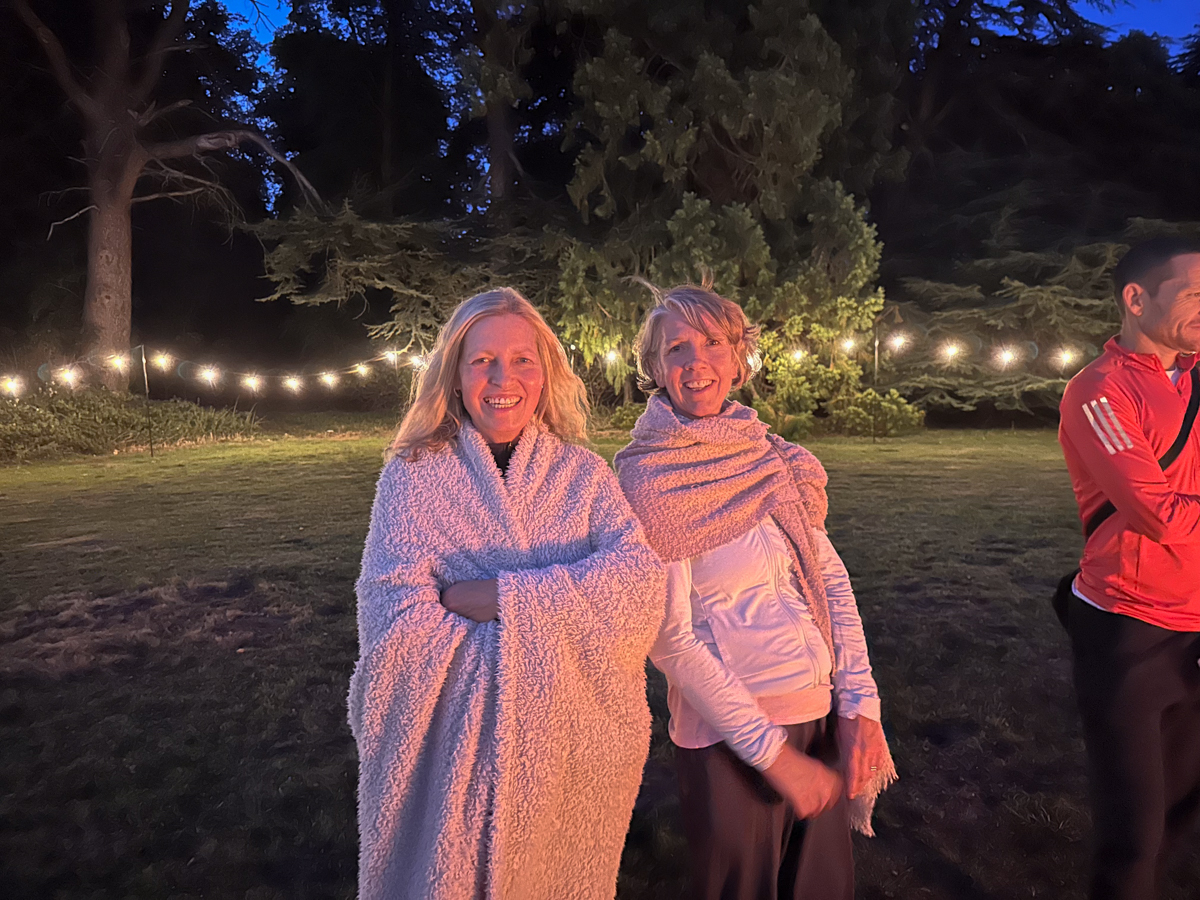
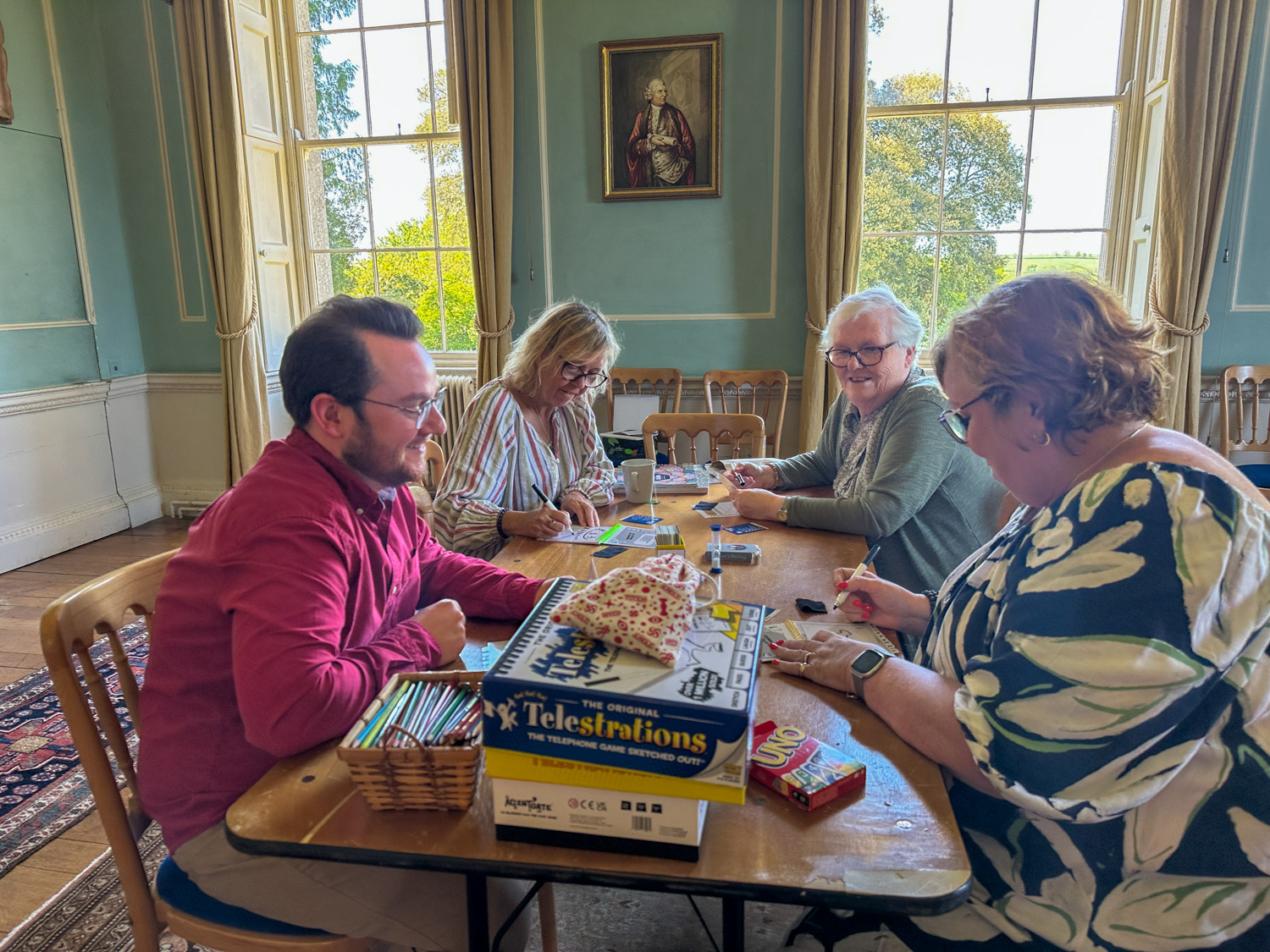
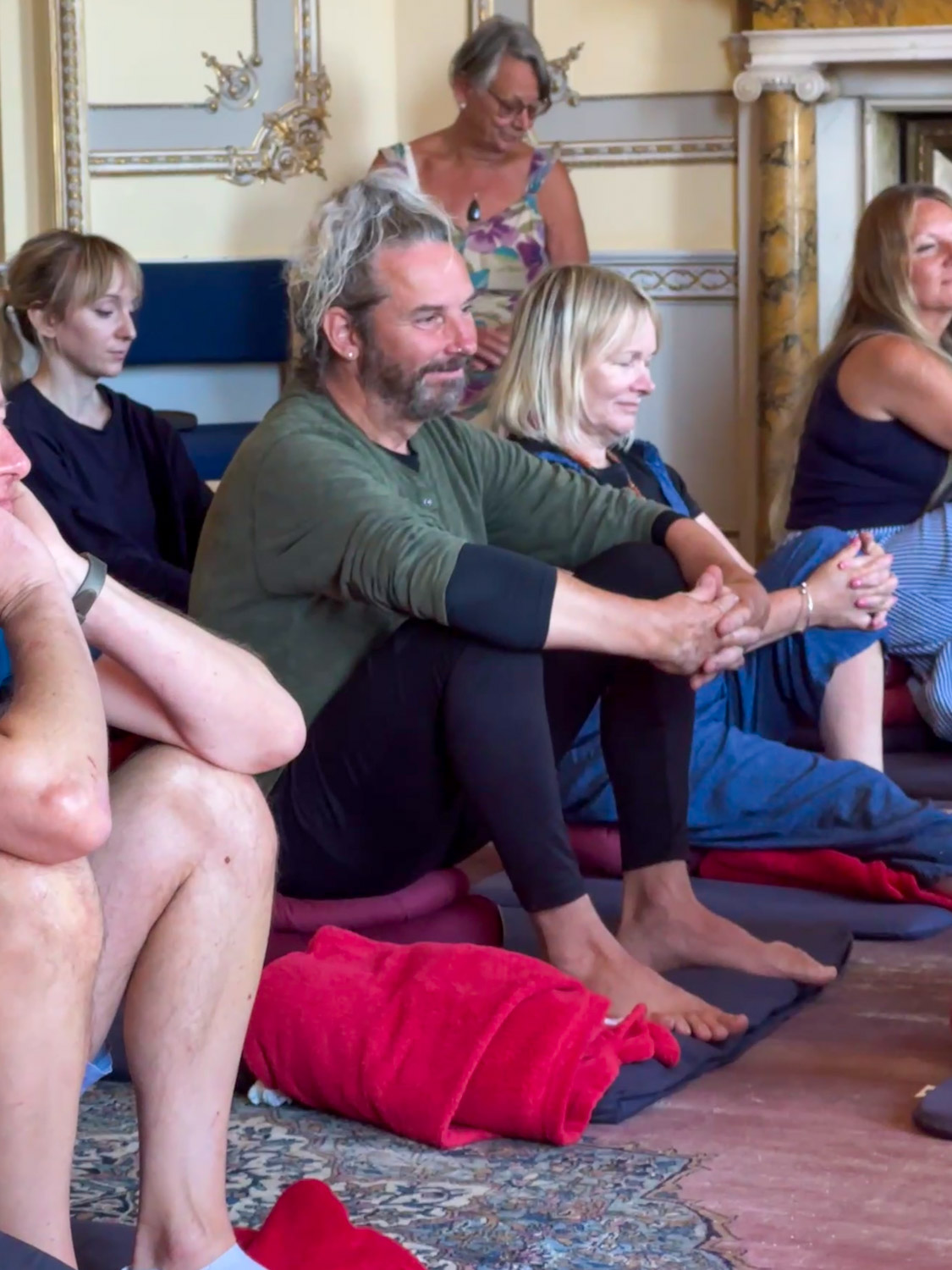
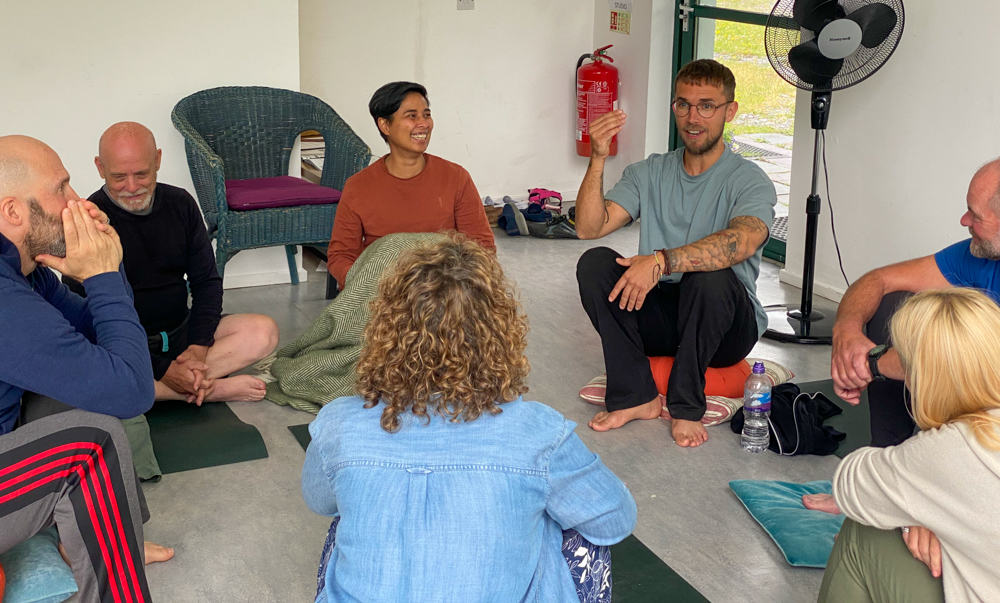
This is a big one. Many of our retreatants come alone, and some tell us they were nervous about it beforehand. But something quite special tends to happen on retreat: a group of strangers arrives, and within a day or two, they feel like old friends.
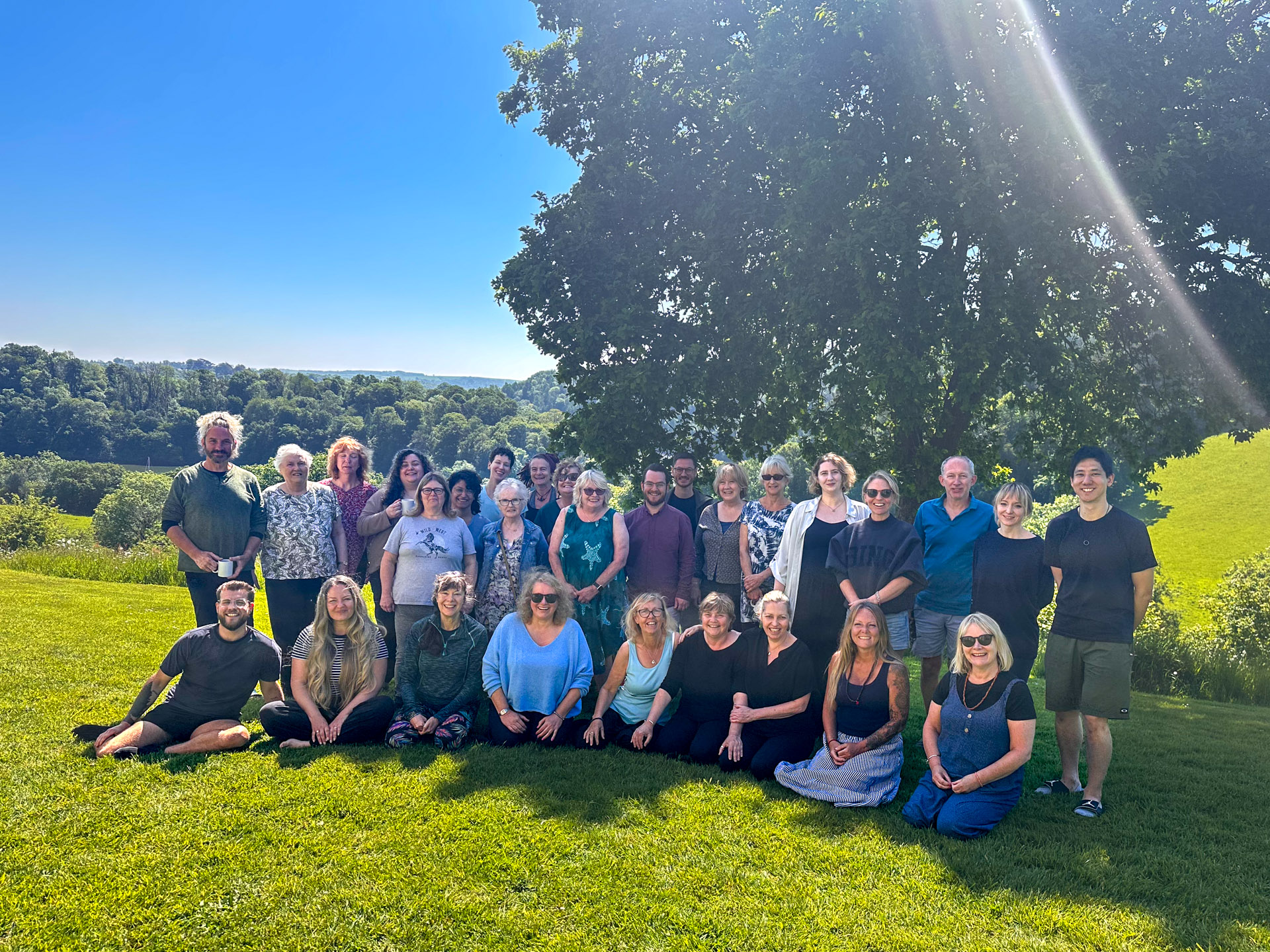
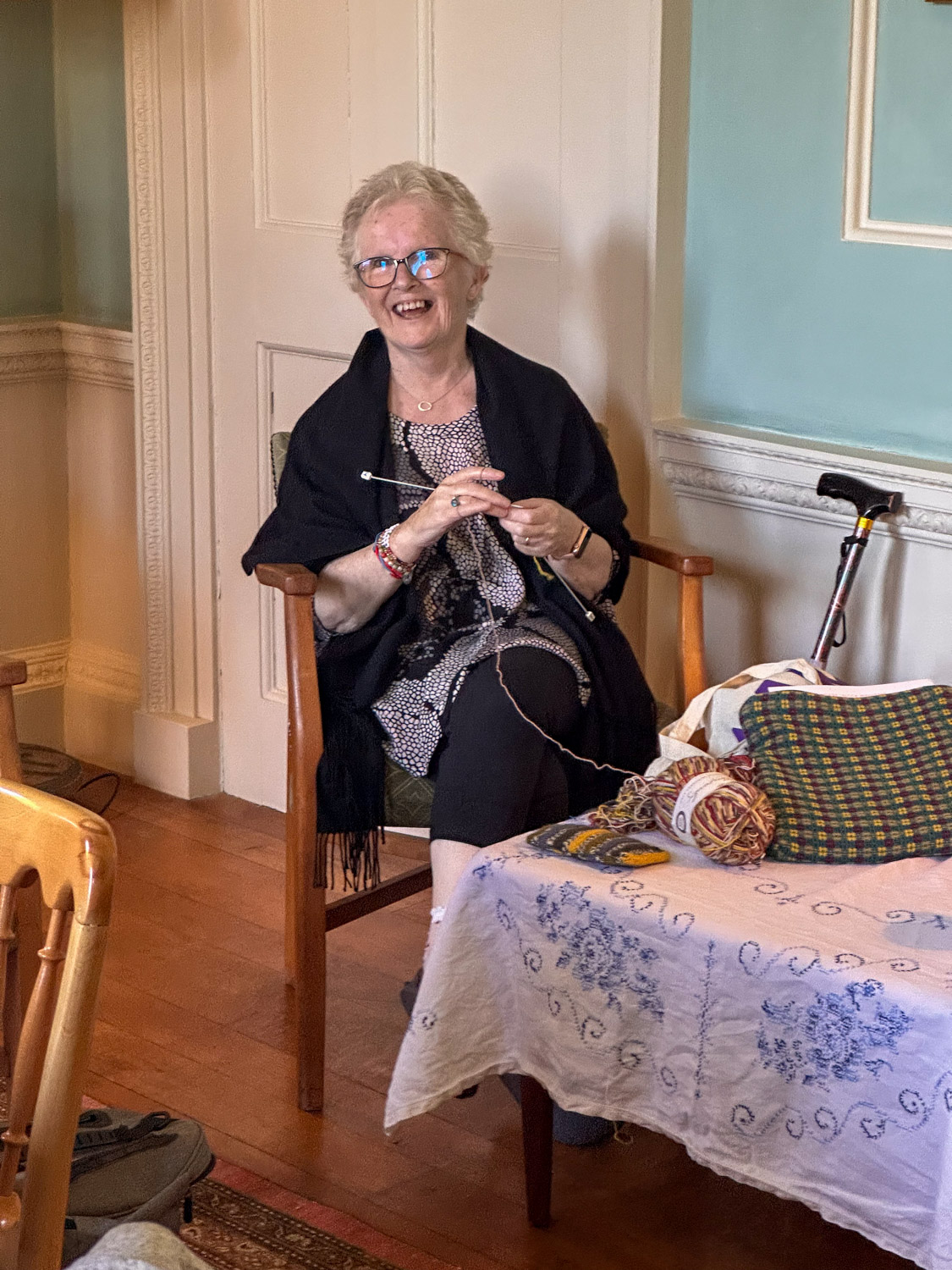
The people who come on our retreats are from all walks of life, all ages, and all over the UK. What they have in common is that they’re looking for something similar, whether it be a pause, a reset, some tools for dealing with stress, or simply a break from the noise. That shared intention creates an atmosphere of warmth and openness that people comment on again and again. We often appreciate how people ‘drop the mask’ and offer themselves authentically to each other.
We hear this consistently in our reviews. One retreatant described how they arrived feeling hesitant and uncertain, only to quickly feel part of a warm and welcoming group. Another, attending their very first retreat, said they were nervous about not knowing what to expect but found the whole experience far more accessible and healing than they’d imagined. A returning retreatant described the experience as being like stepping off life’s treadmill for a few days.
The best way to get a feel for what a retreat would be like, is to read the words of past attendees themselves.
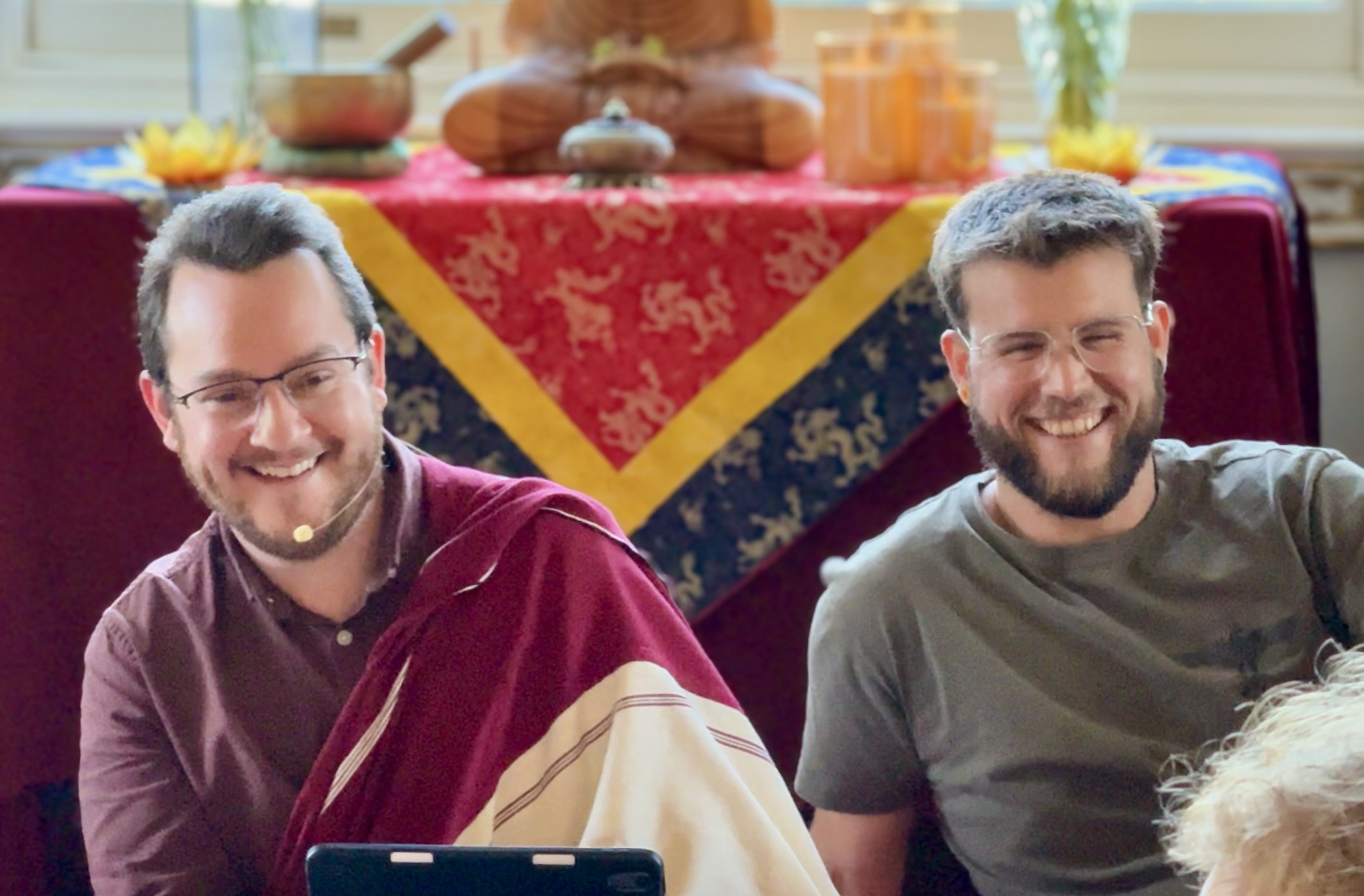
David and Manu set the tone, relaxed, warm, honest, and interested in every person who comes. There’s no hierarchy, no cliques, and no pressure to be anything other than yourself. Whether you want to be deeply social or prefer to find quiet space for yourself, both are absolutely fine.
Do I have to give up my phone?
We recommend switching your phone off for the duration of the retreat, and many people tell us that disconnecting from their phone turns out to be one of the most unexpectedly liberating parts of the experience. But we don’t confiscate phones or enforce a strict rule. It’s entirely up to you.
What we find is that once you’re in the rhythm of the retreat, morning yoga, meditation, good food, beautiful surroundings, interesting conversations, the pull of your phone tends to fade on its own.
Is there silence?
On our beginner retreats, no. These are fully social; you’re free to talk, share, ask questions, and connect with other people throughout. If you want quiet time, most of our venues have plenty of space to find it (grounds, gardens, private rooms), but you won’t be asked to stay silent.
We do run silent retreats for those who want a deeper practice — a four-day silent retreat in the Snowdonia National Park, and a seven-day vipashyana (insight) meditation retreat in Mid Wales where noble silence is observed until 6:30pm each day, with the option to speak in the evenings if you wish. These are designed for people with some meditation experience, and we’d recommend attending a beginner retreat first to see how you feel.
If you’re curious about what a silent retreat involves, we’ll be publishing a dedicated guide soon: Preparing for a Silent Retreat — Everything You Need to Know.
Where do the retreats take place?
We run retreats in stunning locations across the UK:
Lincolnshire — The Vedanta is set in 75 acres of woodlands, meadows, and lakes, with a pool, spa, gym, and dedicated meditation and yoga room. Groups of up to 40.
Devon — Sharpham House sits on a beautiful estate overlooking the River Dart. A five-day retreat with a more intimate group of around 23. At Sharpham, participants are invited to contribute to light communal activities like tidying the kitchen or helping with vegetable prep — a lovely way to create a sense of shared community.
North Wales — Trigonos sits in the Snowdonia National Park, surrounded by mountains and a lake. This is where we hold our silent and intermediate retreats in smaller groups.
Monmouthshire — Lam Rim Buddhist Centre is a traditional Buddhist centre with a particularly warm, intimate atmosphere. Smaller groups and a close community feel.
Mid Wales — A woodland setting for our seven-day silent vipashyana retreat.
Carmarthenshire — The National Botanic Garden of Wales hosts our relaxation day retreats, which are a wonderful first step if you’d prefer to try a single day before committing to a residential stay.
What should I pack?
You don’t need anything special. Here’s a short packing list:
Comfortable, loose-fitting clothing for yoga sessions (nothing restrictive, think leggings, joggers, a soft top). A warm layer for cooler mornings and evenings. Comfortable shoes for countryside walks. Any personal toiletries you prefer, though complimentary toiletries are provided at most venues. A notebook and pen if you like to jot down reflections. A book if you enjoy reading during downtime. You’re welcome to bring your own meditation cushion or blanket, but yoga mats and cushions are provided.
You do not need to bring: specialist yoga or meditation equipment, any particular clothing or uniform, or prior knowledge of anything at all.
What if I find it emotional?
It’s worth being honest about this: spending time away from your normal routine, slowing down, and turning your attention inward can sometimes bring up emotions you weren’t expecting. This is a natural and healthy part of the process, not a sign that something has gone wrong.
David is a qualified mindfulness teacher with a background working in mental health services, and Manu is a Mental Health First Aider, so you’re in safe hands. The environment is supportive and non-judgemental, and you can always step out of a session, take a walk, or have a quiet word with David or Manu if you need to.
Many people find that this emotional release is actually one of the most valuable parts of a retreat, the chance to let go of something they’ve been carrying, in a space that feels safe enough to do so.
How do I choose the right retreat?
If it’s your first time, we’d recommend one of the following:
Want to dip your toe in? Try a relaxation day retreat at the Botanic Garden of Wales. It’s a single day, no overnight stay, and a gentle introduction to meditation and mindfulness in a beautiful setting.
Looking for a Friday to Sunday? Our three-day retreat in Monmouthshire at Lam Rim offers an intimate group and a warm atmosphere that’s ideal for first-timers.
Want the full experience? The four-day retreat in Lincolnshire or the five-day retreat in Devon gives you more time to settle in and go deeper. Both are beginner-friendly.
Looking for depth and silence? Our silent retreats in North Wales and Mid Wales take the practice further.
If cost is a concern, Samadhi is a registered charity, and we run a bursary fund specifically to help people who might not otherwise be able to attend.
What happens after the retreat?
One of the things that makes a Samadhi retreat different is that it doesn’t end when you go home. We offer a range of free and donation-based resources to help you continue your practice:
A free weekly online meditation and discussion group every Sunday — many retreatants join this as a way to maintain the connection and keep their practice going.
The Samadhi Podcast — free guided meditations, short talks, and interviews you can practise with at home.
The Buddha’s Path — a free, twelve-module foundational study programme for those who want to explore Buddhist teachings more deeply.
Recorded workshops on topics like anxiety, emotional regulation, anger, self-compassion, and attachment — all available to watch at your own pace.
David’s books, A Practical Guide to Mindful Living and Calm Mind, Open Heart, are also wonderful companions for continuing your journey.
Frequently asked questions
Do I need meditation experience to attend? No. Many of our retreatants are complete beginners. All meditations are fully guided, and everything is taught from the ground up.
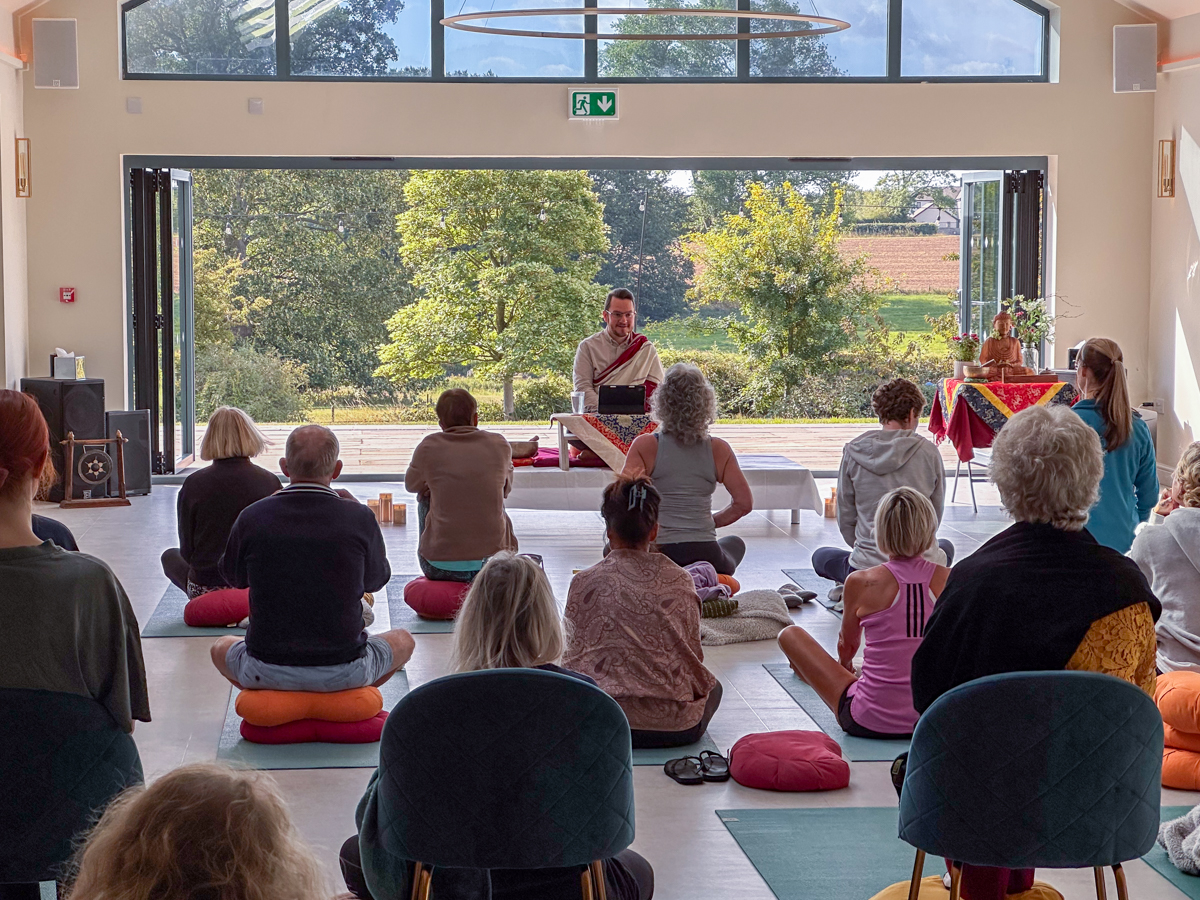
Do I have to sit cross-legged on the floor? Absolutely not. During the first session, you’ll choose your spot in the meditation hall. You can sit on a cushion on the floor or use a chair. Whatever is most comfortable for you.
Is it a Buddhist retreat? Do I need to be Buddhist? Our retreats are inspired by Buddhist psychology, but they’re open to everyone regardless of background or belief. There’s no chanting, no rituals, and no expectation that you’re Buddhist or want to become Buddhist.
Can I come on my own? Yes, and many people do. It’s one of the things people are most nervous about, and one of the things they end up being most glad about. You’ll be welcomed warmly, and you’ll quickly feel part of the group!
Is the food vegan? Yes, all food is plant-based and freshly prepared. We cater for specific dietary requirements, just let us know when you book.
What if I need to leave a session? You’re free to step out of any session at any time. There’s no pressure, no awkwardness, and no judgement.
Can I book now and pay later? Some retreats offer early bird pricing and pay-later options. Check the individual retreat pages for details, or get in touch with any questions.