Current Status
Price
Get Started
This course starts live in March 2026
Recordings from Module 12
This Module is part of The Buddha’s Path (our foundational study programme).
In our study programme so far, we have explored the foundational aspects of Buddhism: the four noble truths, dependent origination, karma, shamatha and vipashyana, the bodhisattva path including the three higher trainings, the six perfections, lojong, emptiness and Buddha nature.
Our next short course is designed to explore the natural next question:
What are Vajrayana, Mahamudra, and Dzogchen – and where do they fit in the context of practice?
In Tibetan Buddhism, Vajrayana (often called Tantric or Mantrayāna Buddhism) is known for practices involving mantra, ritual, and deity meditation. It is presented as a set of methods that build on the Mahayana foundations of compassion and wisdom, and emphasises the concepts of emptiness and Buddha-nature.
Within Tibetan Buddhism, you’ll also find the approaches of Mahamudra and Dzogchen – traditions that emphasise a kind of direct, unelaborated path to recognising the actual nature of mind and the realisation of our innate luminous awareness, Buddha nature.
This short, three-week series is designed to provide an introduction to these three – Vajrayana, Mahamudra, and Dzogchen – clarifying doubts and laying a foundation for further exploration. We’ll focus on the essence of these systems of practice, how these teachings relate to suffering and freedom, and how strong foundations in ethics, compassion, shamatha, and emptiness make these practices meaningful.
Who it’s for
- People who’ve been following our study programme or are familiar with the foundations of Buddhist practice.
- Those curious about Tibetan Buddhism who want a practical introduction to these more advanced practices.
What this course is / isn’t
- ✅ An overview + introduction to view, practice, and common misunderstandings.
- ✅ Guided meditations that provide a taste of these approaches.
- ✅ Space for Q&A and discussion
- ❌ Not a Vajrayana empowerment or an initiation into tantric commitments.
- ❌ Not a replacement for receiving advanced training from a qualified lineage teacher.
About the Study Group Leader
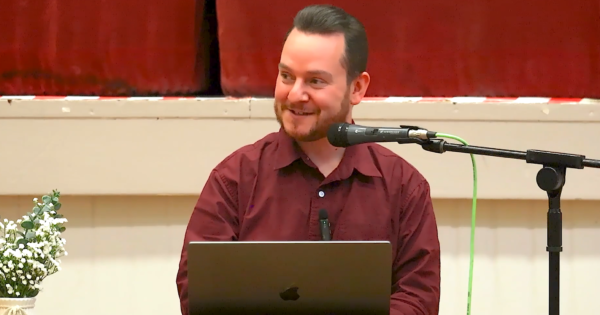
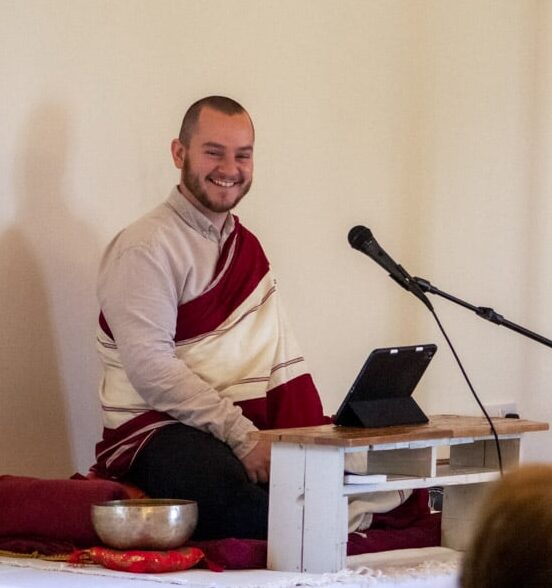
Our Study Group is led by David Oromith. David is a Buddhist contemplative, meditation guide and retreat leader. He is the Co-Founder of Samadhi and author of the book A Practical Guide to Mindful Living. He has received non-monastic ordination in the Tibetan Buddhist tradition and teaches workshops internationally, leads retreats across the UK and runs classes locally.
David is a follower of the rimé (non-sectarian) approach, recognising the value and benefit of multiple points-of-view, with teachers in all four schools of Tibetan Buddhism. His primary teacher is Lama Alan Wallace, who is also rooted in a non-sectarian approach, with particular close affiliation with the Gelug and Nyingma schools and the Dudjom lineage.
Booking & Donation:
To join the course and gain access to the recordings, register for the live sessions here. If you’ve already registered and you’re seeing the ‘Not Enrolled’ or ‘Join this Course’ message, please log in here first.
In the spirit of offering the dharma freely, there is no set fee for joining the course. It is customary to offer dana (a donation) to support the teacher and the activities of the dhama organisation. No one is excluded from participating.
Our online events operate on the basis of dana (generosity/giving). If you’re able to, as is tradition, please consider making an offering. Your generosity is greatly appreciated and all money raised goes directly into supporting our activities and fundraising for the Samadhi Eco Retreat Centre.