Welcome to

The Buddha’s Path Study Programme – Module #3: Foundations of Buddhist Theory II: The Roots of Suffering – The Three Poisons

An Online Course from Samadhi

Current Status

Not Enrolled

Price

Free

Get Started

Recordings from Module 3

This Module is part of our Foundational Study Programme, The Buddha’s Path, and delves into the roots of suffering from a Buddhist perspective.

In the centre of the iconic Buddhist image of the Wheel of Life, or Bhavachakra, you will find depicted a pig, a bird, and a snake. These three creatures represent the Three Poisons – ignorance, attachment, and aversion.

These Three Poisons are, according to the Buddha, the source of our negative mental states–such as anxiety, anger, jealousy–and the root from which all unskillful or harmful actions spring. It is understood in Buddhism that as long as our thoughts, words, and actions are conditioned by the Three Poisons they will cause unceasing problems for ourselves and others. 

It is therefore essential that we learn to overcome these afflictions, in order to find lasting wellbeing and happiness in our life.

The focus of this module is understanding these three root mental afflictions and their role in generating suffering.

This module also examines the Twelve Links of Dependent Origination, the Buddha’s explanation of the cyclical nature of dukkha and samsara. Through this, we will explore the concept of samsara, or the cycle of rebirth, understanding its significance in Buddhist thought.

We hope that this module will provide a deeper understanding of the root causes of our suffering according to Buddhism, and a chance to recognise and identify these afflictions in daily life.

Module 3:
Foundations of Buddhist Theory II: The Roots of Suffering - The Three Poisons

• Attachment, Aversion, and Ignorance
• Understanding the Causes of Suffering
• The Twelve Links of Dependent Origination
• Understanding Samsara (the cycle of rebirth)
• Right View

About the Study Group Leader

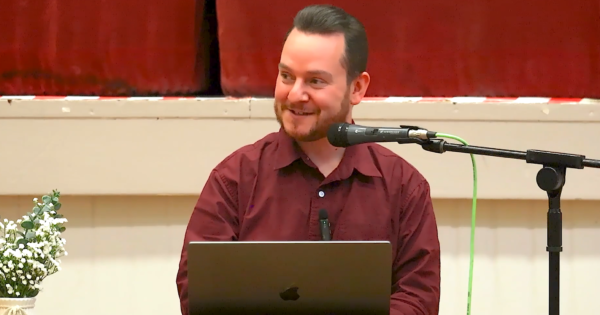
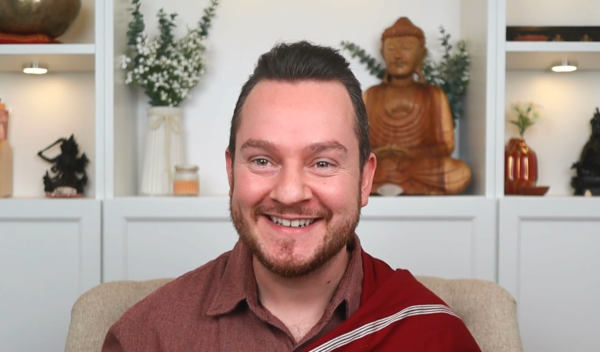
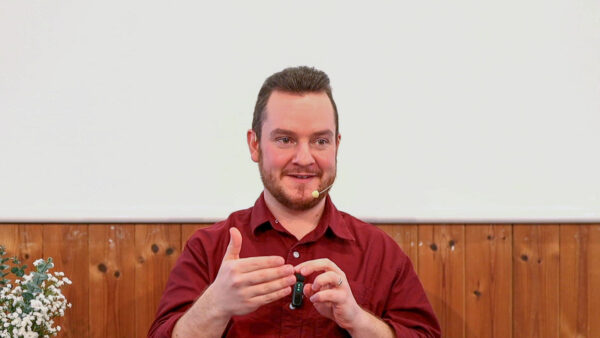
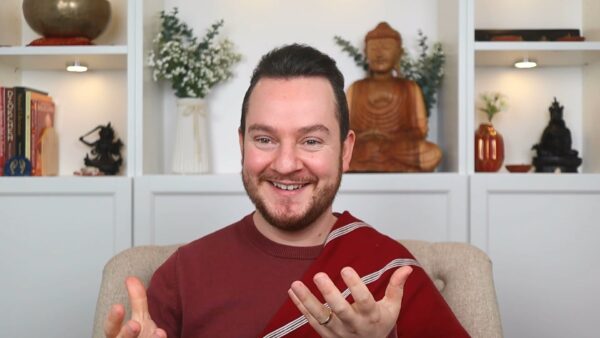
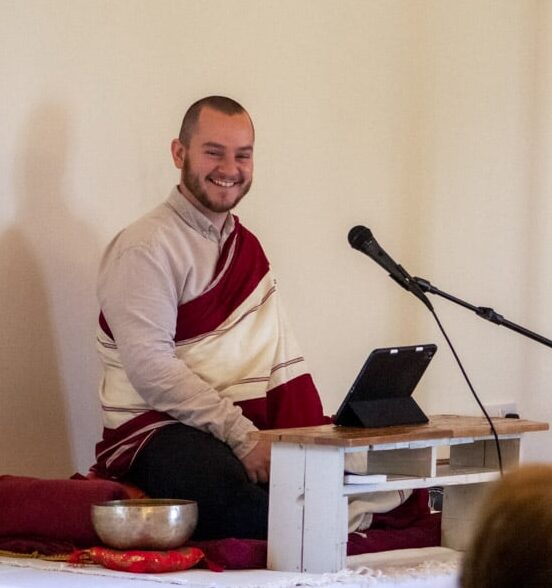
Our Study Group is led by David Oromith. David is a Buddhist contemplative, meditation guide and retreat leader. He is the Co-Founder of Samadhi and author of the book A Practical Guide to Mindful Living. He has received non-monastic ordination in the Tibetan Buddhist tradition and teaches workshops internationally, leads retreats across the UK and runs classes locally.

David is a follower of the rimé (non-sectarian) approach, recognising the value and benefit of multiple points-of-view, with teachers in all four schools of Tibetan Buddhism. His primary teacher is Lama Alan Wallace, who is also rooted in a non-sectarian approach, with particular close affiliation with the Gelug and Nyingma schools and the Dudjom lineage.

Read more

Booking & Donation:

To join the course and gain access to the recordings, register using the ‘Join this Course’ button on this page. 

In the spirit of offering the dharma freely, there is no set fee for joining the course. It is customary to offer dana (a donation) to support the teacher and the activities of the dhama organisation. We suggest a donation of £40 per module, but you can offer within your means. No one is excluded from participating.

Our online events operate on the basis of dana (generosity/giving). If you’re able to, as is tradition, please consider making an offering. Your generosity is greatly appreciated and all money raised goes directly into supporting our activities and fundraising for the Samadhi Eco Retreat Centre.

If you’ve already registered and you’re seeing the ‘Not Enrolled’ or ‘Join this Course’ message, please log in here first.

Contribution (donation) to support our activities

UK Residents - Do you want to Gift Aid your donation?

Boost your donation by 25p of Gift Aid for every £1 you donate. Gift Aid is reclaimed by the charity from the tax you pay for the current tax year. Your address is needed to identify you as a current UK taxpayer. If you pay Income Tax at the higher or additional rate and want to receive the additional tax relief due to you, you must include all your Gift Aid donations on your Self-Assessment tax return or ask HM Revenue and Customs to adjust your tax code.

I am a UK taxpayer and understand that if I pay less Income Tax and/or Capital Gains Tax than the amount of Gift Aid claimed on all my donations in that tax year it is my responsibility to pay any difference.

 
David Oromith

David is an experienced Buddhist contemplative and meditation guide who has studied and taught internationally for several years. He is the Co-Founder of Samadhi and a qualified mindfulness teacher, Mental Health First Aider, and an active member of the Association for Spiritual Integrity. His teaching style is clear and practical, and his warm and humorous approach makes him a popular mindfulness teacher. In his own practise and teachings, David focusses on the core themes of Early Buddhism and emphasises the practices of Shamatha (meditative quiescence), and its union with Vipassana on the Four Applications of Mindfulness and the Four Immeasurables – which presents a direct path leading to the realisation of our deepest nature and the potentials of consciousness, and closely follows how the Buddha himself attained enlightenment. He considers himself to be the fortunate student of many teachers, including his root lama, Lama Alan Wallace.

Online Course Content

Introduction & the Bhavachakra
Exploring Attachment
The Antidotes to Attachment and Navigating Loss
Exploring Aversion
Aversion and Patient-Acceptance
Three Types of Patience & Self-Cherishing
Ignorance & Emptiness
The Twelve Dependent Links of Origination

You may also like...

Free

Letting Go of the Past: Guilt, Resentment & Acceptance

Letting Go of the Past - FREE
Buddhist Teachings on Guilt, Resentment & Acceptance, This is a recording of a hybrid event held in March 2026 at the Swansea Wellbeing Centre.

Free

We Cant Always Get What We Want (And That’s All Right)

Insight Timer Live - FREE
This is a recording of an Insight Timer Public Webinar. This talk explores why we struggle when life doesn’t go to plan and how to relate more peacefully to disappointment.

Free

Sutta Study: The Buddha’s Approaches to Anger in the Pāli Canon

3-Part Series - FREE
A three-week Sutta Study exploring how the Buddha understood and addressed anger in the Pāli Canon, drawing on discourses from the Saṃyutta and Aṅguttara Nikāyas, verses from the Theragāthā and Dhammapada, and guided meditation. Led by David Oromith.

Free

Living with Anxiety: Befriending & Tending to Fears and Worries with David Oromith

2-Part Workshop - FREE
This is a recording of a one-day, two-part workshop held in Swansea on 22nd November 2025.
In this workshop, we’ll explore how Buddhist teachings and simple nervous-system practices can help us unhook from anxious thought loops and meet our experience in a healthy, grounded way.

Study Programme

Buddhism for Daily Life: Insights from ‘Heart Advice from a Foolish Practitioner’

ONGOING - BY DONATION
Part of our Foundational Study Programme (The Buddha’s Path). This module offers participants a clear, sustainable map for “walking the path” with continuity and ever-deepening development.

Free

The Art of Emotional Balance: Mindful Toolkit for Difficult Emotions with David Oromith

3-Part Workshop - FREE
Life has its ups and downs, and for many, even an ordinary day can lead to one emotional rollercoaster after another.
This recording of a one-day, three-part workshop held in London on 26th July 2025 blends together Buddhism, psychology, modern contemplative science, and practical meditation tools

« » page 1 / 7

Log In

Search

Human Friendly Events

Samadhi is an inclusive organisation and we welcome people of all ages, genders (including gender identity), sexual orientation, abilities, race (including colour, nationality and ethnic or national origin), religion or belief.

As an LGBTQ-led Buddhist organisation, we strongly believe that no one should be discriminated against for any reason at all and subscribe to the ideals of non-harm and loving-kindness. You’re welcome no matter who you are and you’re free to express yourself authentically.